"Education is the most powerful weapon which you can use to change the world." — Nelson Mandela
Education is the foundation of progress, yet for millions of children worldwide, it remains an unattainable dream. Non-Governmental Organizations, or NGOs, have emerged as beacons of hope, bridging the gap between potential and opportunity.
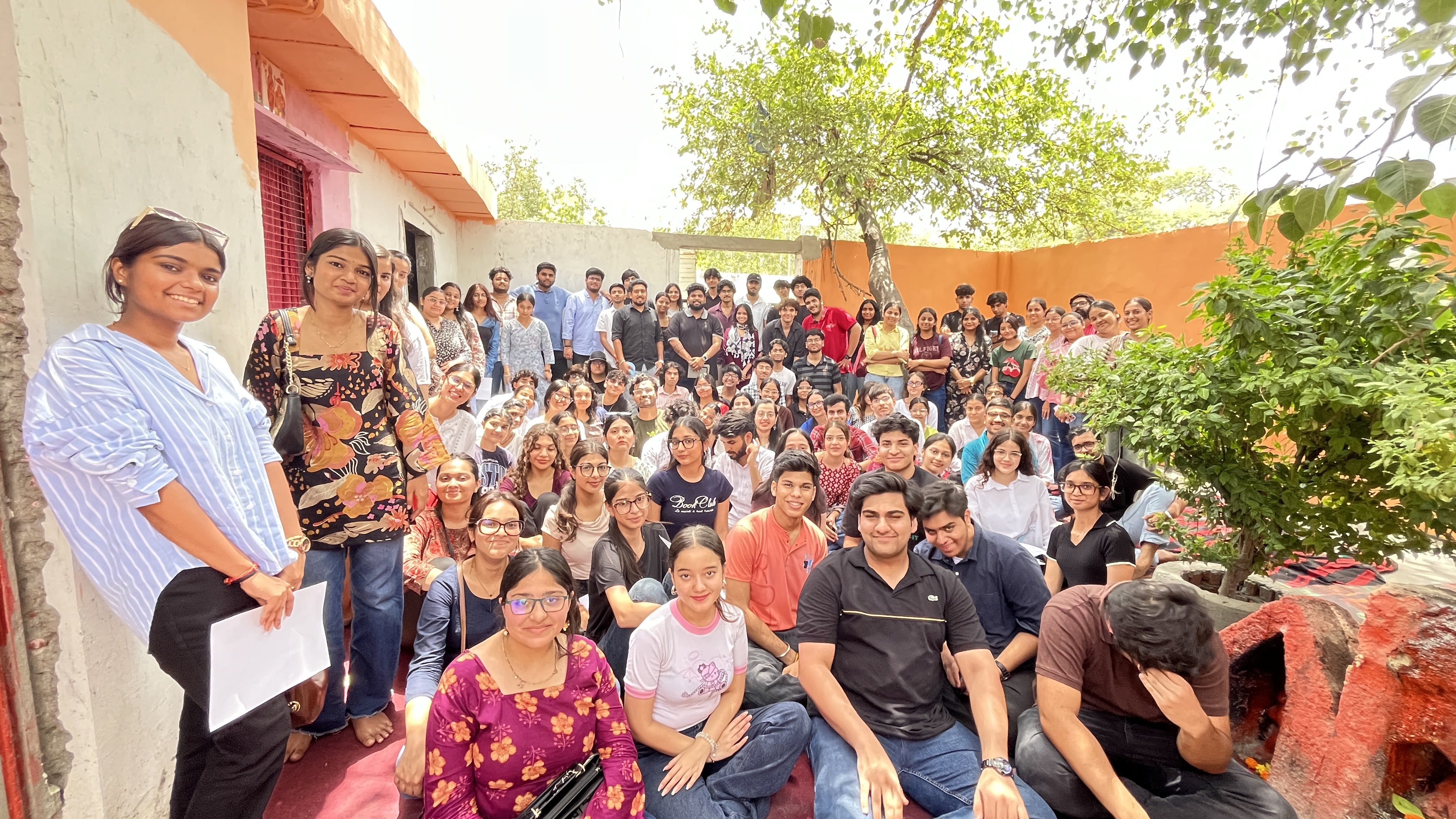
Several NGOs work tirelessly to bring education to marginalized communities. Uttejana has been running campaigns, and even launched a project, Project Chanakya, which aims to enlighten and empower slums with education. Since January 2019, the foundation has been working in the slum situated in Kirti Nagar, New Delhi. So far, they have been able to reach around 200+ students there, who have been given admission into government schools, with many successfully graduating 10th standard this year.
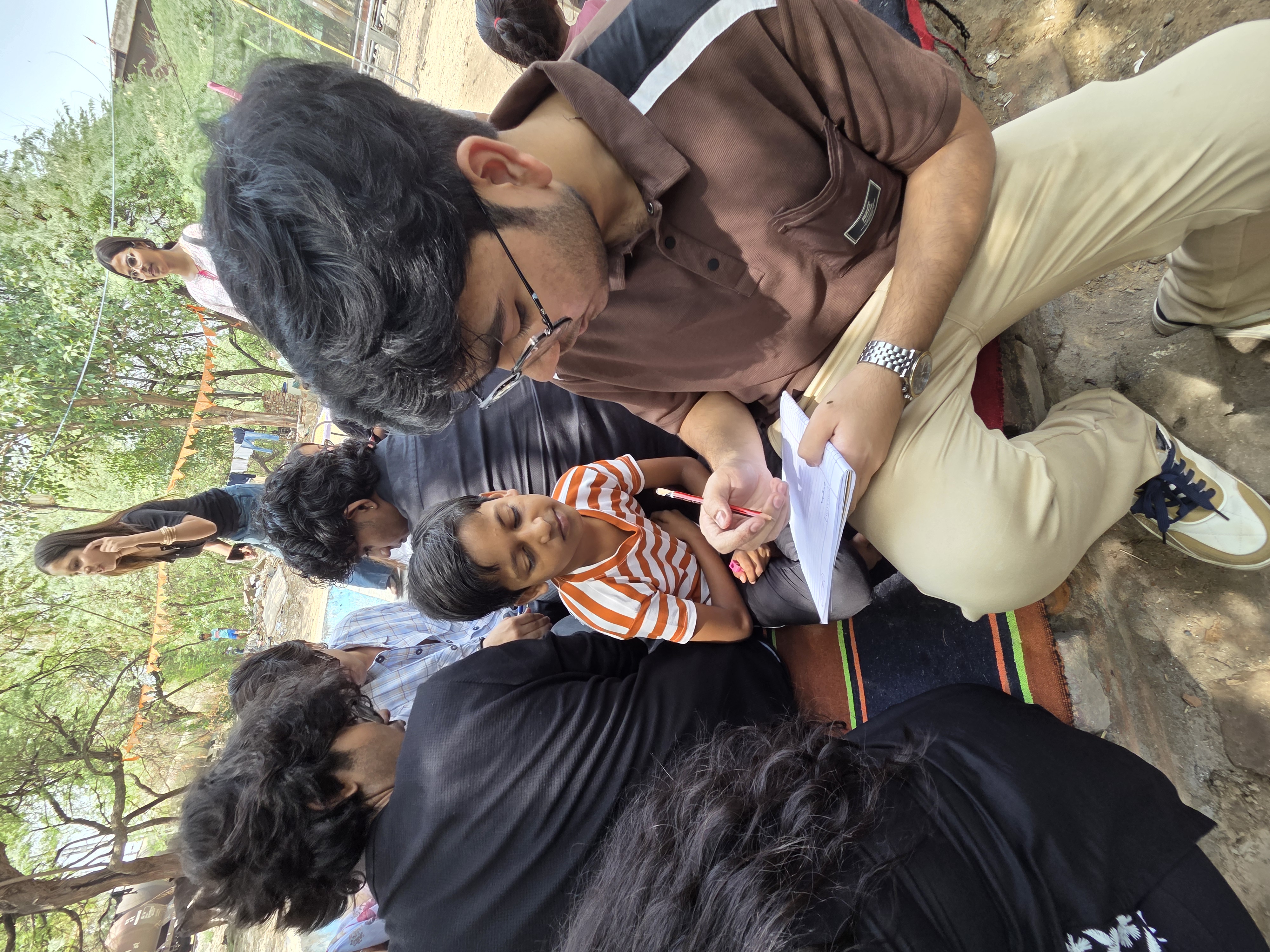
Beyond textbooks, our volunteers focus on creating a well-rounded learning experience. We heard complaints from children who struggled to cope with their peers at school and were constantly scolded by teachers as a result. After hearing this, our volunteers began sitting with the children to help with schoolwork, holding doubt-clearing sessions and assessments, and dividing them into age groups with material ranging from ABCs to more difficult math and science problems. Our founder, Anurag Sehgal, also stresses that beyond written education, these children need life skills: menstrual health knowledge through Project Rakht, legal knowledge through Project Samarthan, and even sports and the arts.
It is easy for us to assume that families in the slums already know that their children need to study, and that government schools offer subsidized or free education. But we would be wrong. Many parents lack this knowledge and are caught in a cycle where they feel a child will do more good helping at home, or working, than sitting in a classroom.
●A Conversation That Changes Minds
Recently, I had the privilege of interviewing a working mother from the slum area who was hesitant to send her daughter to study with us. The conversation, originally in Hindi, has been translated into English below.
Interviewer: Hello, Aunty! How are you and your family doing? Thank you for taking the time to talk to me today.
Mother: We're fine. Things are as they usually are.
Interviewer: I actually wanted to talk to you about your daughter. I noticed I haven't been seeing her at the NGO with the other kids.
Mother: There's too much work at home. Who will do the chores if she goes to study, even on a Sunday? I need her here.
Interviewer: I understand. Could I ask, what do you think she is going to do for her future?
Mother: I want her to have a good life, of course. I don't want her to struggle like me.
Interviewer: Education could really help her get closer to that. What if we work together to find a solution? We could adjust her study timings, or teach her skills useful for the family too, like reading letters or managing finances.
Mother: That does sound useful... but what if people talk? A girl her age can easily work as domestic help and earn.
Interviewer: I hear you, Aunty. But if she invests her time in education now, she will succeed and earn far more than she would as domestic help, and be able to take care of the whole family.
Mother: Maybe. But will she be safe there?
Interviewer: I assure you, Aunty, our area is secure and our teachers are experienced and kind. We'll stay in touch to update you on her progress.
Mother: [After a pause] Okay. Maybe we can try. But only a few hours.
That last, hesitant "okay" is what Project Chanakya is built on, one conversation, one small trust, at a time.
●Voices That Prove Education's Power
History and contemporary society are rich with examples of individuals whose lives demonstrate the transformative power of education. Malala Yousafzai, the youngest Nobel laureate, survived an assassination attempt by the Taliban and continues to promote education as a fundamental right for all. Nelson Mandela, South Africa's first Black president, believed education would unlock human potential and bring the world closer to peace. Dr. Mae C. Jemison, the first African American woman in space, remains an avid advocate for STEM education. And LeBron James, through his "I Promise School," has offered at-risk children access to quality education and resources.
The absence of education, on the other hand, often perpetuates cycles of poverty and inequality, denying individuals the chance to develop critical skills and contribute meaningfully to society. Education is not merely a privilege; it is a necessity for innovation, social equity, and global progress.
Education is a collective responsibility. NGOs play a vital role, but their efforts can only succeed with community participation. The interview we conducted revealed the incredible work NGOs do, but it also highlighted a vital need for greater awareness and involvement. Together, we can bridge the gaps and empower the next generation with the resources and skills they need to succeed.
That mother's hesitant "okay" is a moment we work towards with every family we meet. Trust isn't built in a single visit, it's built one honest conversation at a time.
Comments