
Teaching at the Uttejana Foundation has been one of the most transformative experiences of my life. The children I've had the privilege of working with have not only taught me about resilience but also opened my eyes to a world of boundless ambition. Many of these children come from slums, where the hum of city life meets the harsh reality of poverty. Yet, when I asked them what they wanted to become, their answers left me both humbled and inspired.
Some spoke of wanting to be train drivers, enchanted by the mighty engines that connect lives across cities. Others dreamt of becoming government officials, envisioning themselves as changemakers who could uplift their communities. And then there were the aspiring entrepreneurs, with eyes sparkling at the thought of building businesses that could transform their lives and others. These dreams, nurtured in the narrow lanes of hardship, reflect a profound truth: ambition is not bound by circumstance.
●Dreams Against All Odds
For many, the term "slum" evokes images of despair and deprivation. But step into these children's lives, and you'll find a tapestry of dreams waiting to be unravelled. Their aspirations are shaped not by what they lack but by what they see and imagine.
The boy who wants to be a train driver doesn't just see the locomotive; he sees freedom, adventure, and the possibility of taking his family on a journey beyond their struggles. The girl who aspires to join the government envisions justice and fairness in a world where she has seen inequality firsthand. These ambitions, while shaped by their environment, are not limited by it.
Poverty often comes with a societal script: to accept one's fate and tread a path of minimal resistance. Yet, these children are rewriting that script every day.
●The Challenges They Face
Despite their remarkable determination, these children face monumental challenges. Access to quality education, healthcare, and basic amenities remains a luxury for many. Their schools often lack infrastructure, teachers may be overburdened, and resources like books and technology are scarce.
Societal biases frequently act as invisible chains too. The label of "slum child" often leads to assumptions about capability and potential. And the most heartbreaking challenges are often the ones closest to home: many children juggle education with helping their parents at work or caring for siblings, with the pressure to drop out and contribute to the family income a constant threat to their dreams. But even in the face of these adversities, they persevere, showing up to class eager to learn, their eyes brimming with questions about a world they wish to conquer.
●Unlocking Their Potential
How can we ensure these dreams are not just aspirations but attainable realities? First, we need to create ecosystems that support their growth. NGOs like the Uttejana Foundation are crucial in bridging the gap between potential and opportunity, providing mentorship, scholarships, and after-school programs.
Second, education must evolve to meet their unique needs, going beyond academic knowledge to life skills, exposure, and confidence-building activities. Finally, as individuals, we must challenge our biases and engage with their stories. When we see slum children not as victims but as visionaries, we create a ripple effect of empowerment, and small gestures, donating books, volunteering time, or simply listening, can make a world of difference.
The children I've taught at the Uttejana Foundation have shown me that dreams can flourish even in the harshest conditions. As I reflect on their answers, train drivers, government officials, entrepreneurs, I see not just ambitions but blueprints for a better world. In the end, the narrow lanes of slums might be where they start, but the horizons they reach could be infinite.
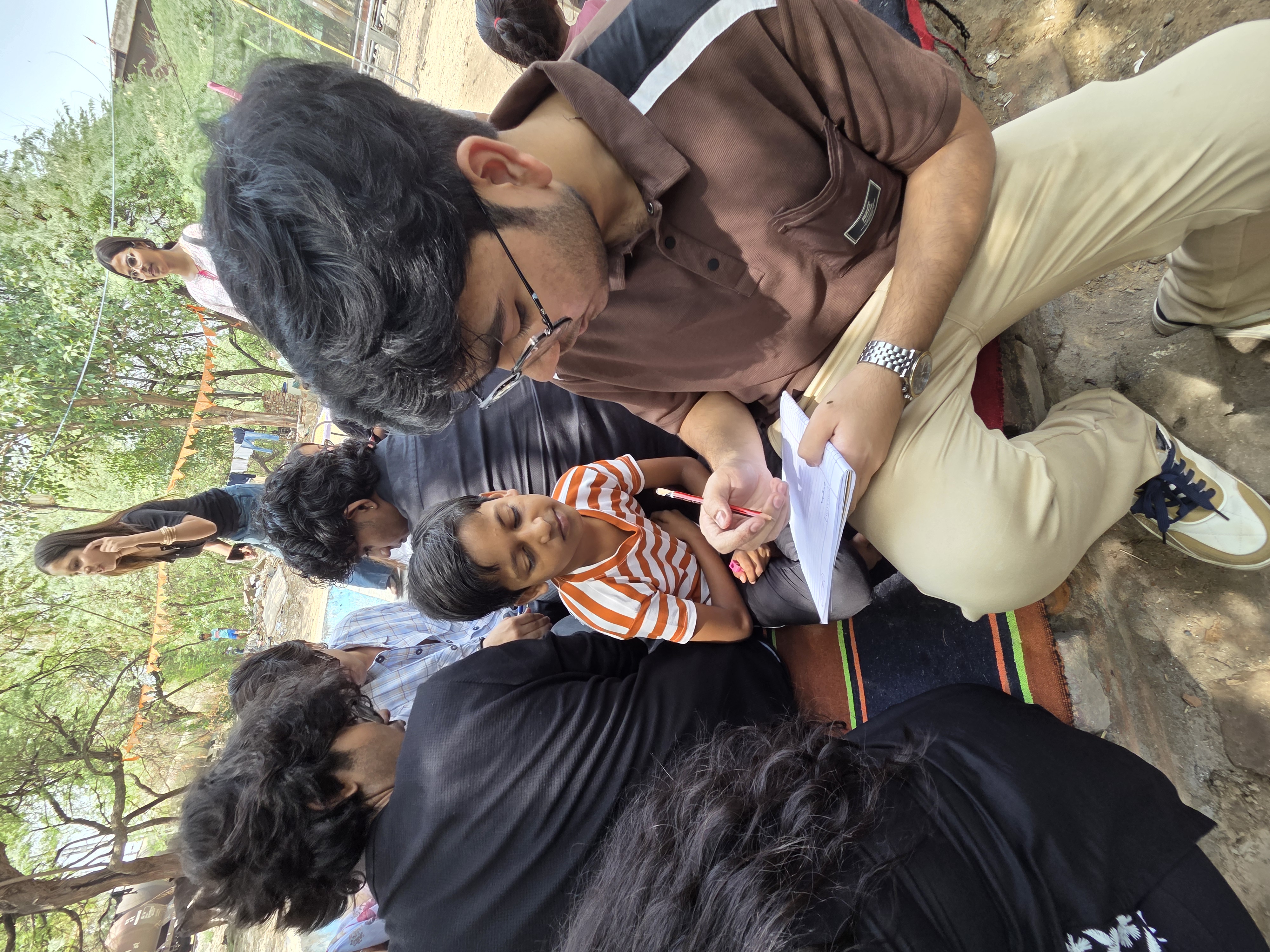
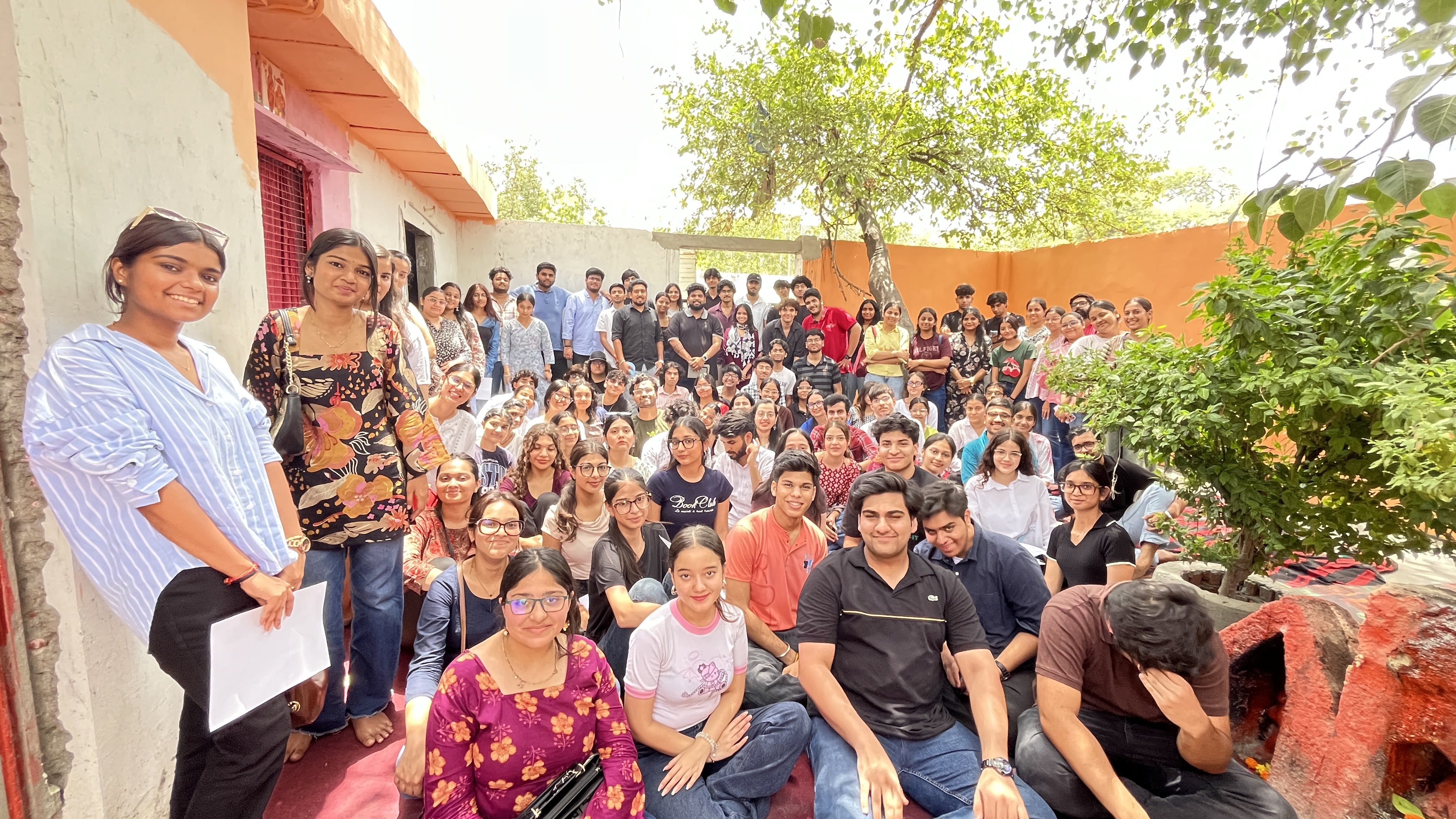
Every time I hear one of these children describe what they want to become, I'm reminded that circumstance was never the limit, only the starting point.
Comments