Education is often cited as the ultimate equalizer, but for millions of students worldwide, poverty turns this promise into a distant dream. Hunger, insufficient clothing, unstable housing, and a lack of educational resources severely limit many children's opportunities, holding them back from achieving their potential. These issues are not minor nuisances; they make up a cycle of disadvantages that restricts academic growth, decreases self-confidence, and narrows future opportunities.
Against all this, hopeful lights have emerged, such as peer tutoring and non-governmental organizations like the Uttejana Foundation. Peer tutoring facilitates academic engagement through an amicable, sympathetic support structure, while NGOs address critical gaps in food supplies and emotional support. Together, they create a holistic environment for students that not only meets basic needs but also empowers them.
●The Impact of Lacking Basic Necessities
Poverty deprives a child of the most fundamental needs: food, clothes, and shelter. These deficiencies permeate every aspect of a child's life, creating an environment where learning takes a back seat to survival. Hunger and malnutrition greatly hamper a student's ability to concentrate and shine academically; studies reveal that hunger negatively impacts memory, attention span, and cognitive ability, underlining the importance of proper nutrition for academic achievement.
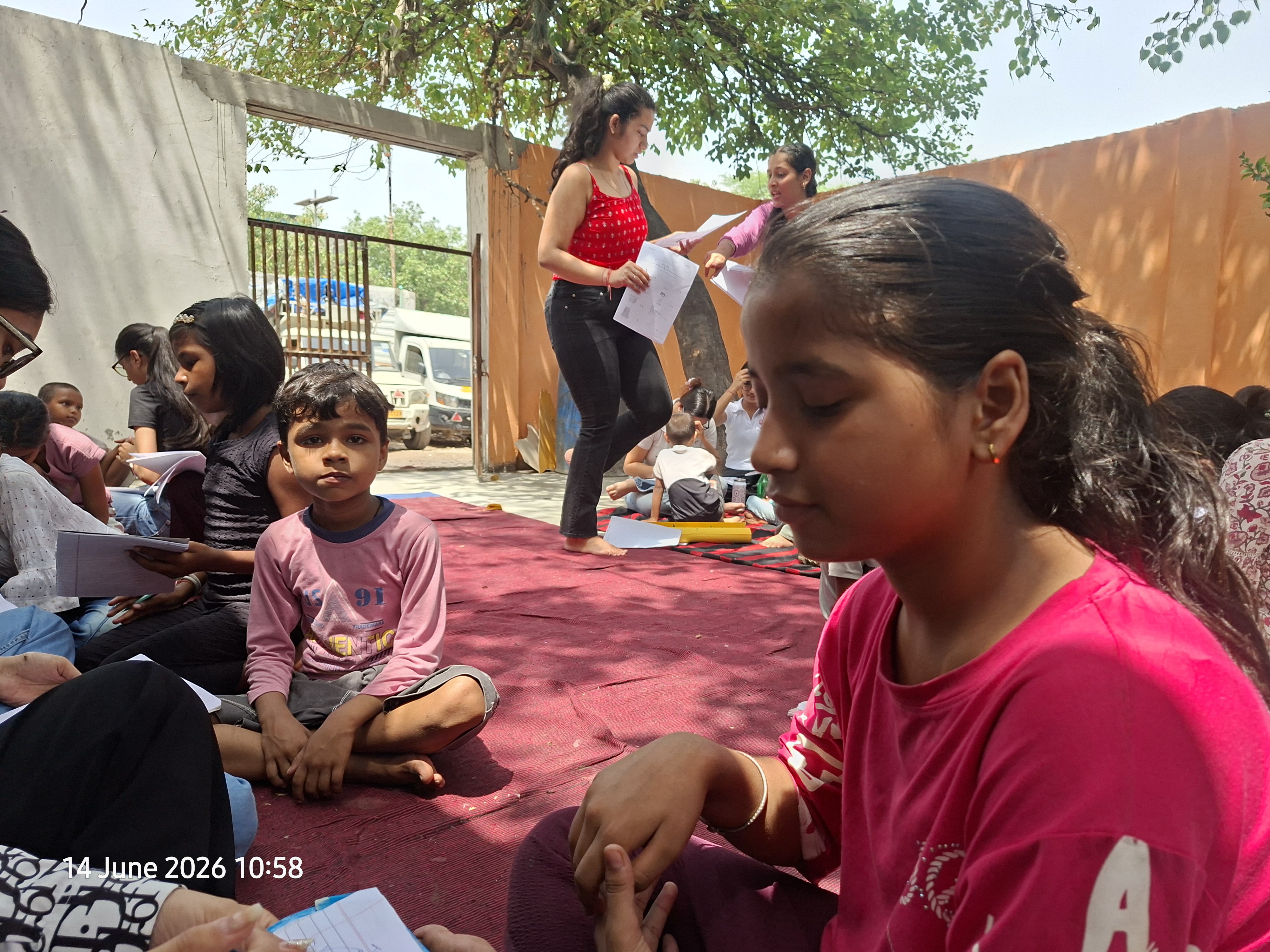
The slum where I taught children as an intern with Uttejana is in a very poor state. Many residents lack adequate shelter, and some do not have proper clothing. The location is often noisy too, making it challenging for students to concentrate fully. And in a world where education often relies on technology, children in slums frequently lack essential supplies like textbooks, notebooks, and pens, the building blocks of smooth education and knowledge transmission.
●How Peer Tutoring Addresses These Challenges
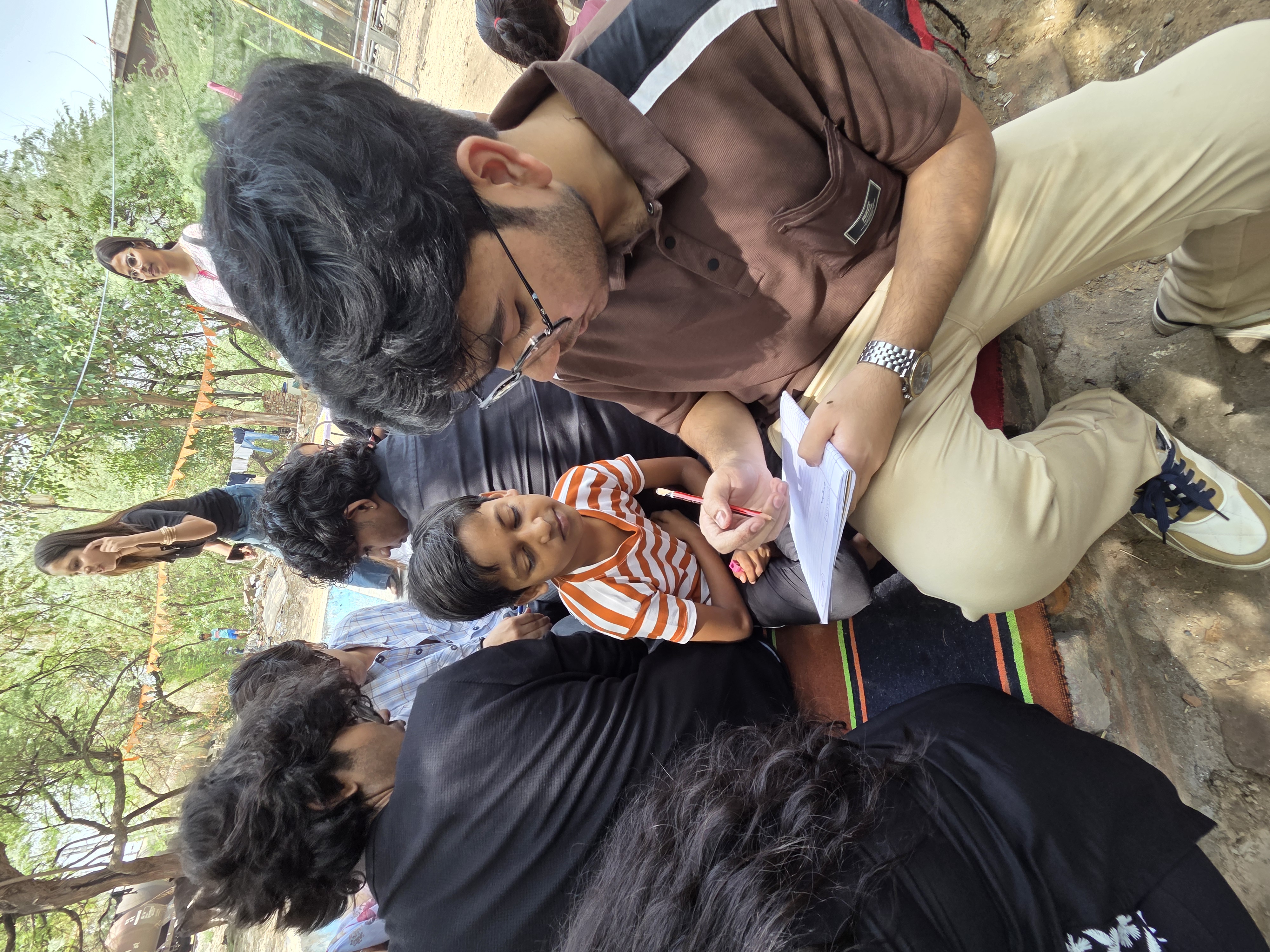
Peer tutoring is a simple yet transformational approach in which students learn through other students. Beyond academics, it provides a sense of community, belonging, and mutual support, in a way that lets tutors make complicated ideas easy, offer one-on-one attention, and make learning relevant. For students lacking resources, this one-on-one interaction usually fills in the gaps where teachers have no time to spend on each student individually, or classrooms are overcrowded.
Poverty tends to isolate children, making them feel different from their peers. Peer tutoring creates a safe space where students feel seen, heard, and valued.
Peers and tutors, especially those under Project Chanakya at Uttejana, play a crucial role in providing resources to students with the help of the NGO. Their guidance helps underprivileged students access the support they need, cultivating leadership, empathy, and a sense of responsibility among participants, and showing how education becomes a collective endeavor.
●The Role of NGOs in Supporting Basic Needs
While peer tutoring targets academic barriers, NGOs like the Uttejana Foundation target the root causes of inequity by meeting students' fundamental needs. Uttejana collaborates with local communities to organize food drives, offers books, stationery, and uniforms to those who could not otherwise afford them, and provides psychological support through talking sessions and emotional support workshops for students navigating the pressures of poverty.
Recognizing the importance of parental involvement, the foundation also organizes awareness campaigns where interns personally engage with parents to emphasize the value of education and encourage them to send their children for tutoring sessions. These efforts build a supportive ecosystem where learning becomes a shared priority.
●Challenges and Future Directions
NGOs and peer tutoring programs face real challenges: insufficient and inconsistent funding, socio-cultural barriers where some families place little value on education because of economic pressure or lack of awareness, and the difficulty of reaching remote areas, which limits the reach of programs like Project Chanakya. Overcoming these challenges takes cooperative effort, governments, NGOs, and local communities working in tandem to increase funding through public-private partnerships and mobilize volunteerism and donations.
It is not just a matter of survival but of unlocking potential by addressing basic needs. Peer tutoring and NGOs such as the Uttejana Foundation are changing lives by combating hunger, providing resources, and fostering supportive learning environments. Everyone can make a difference, through volunteering, donating, or simply advocating for equitable policies that ensure all children learn, grow, and thrive. Now is the time; together, we can break the cycle of poverty and build a brighter, more inclusive future for all.
Basic needs and belonging have to come before a lesson plan means anything. That's the order we try to get right every single day.
Comments