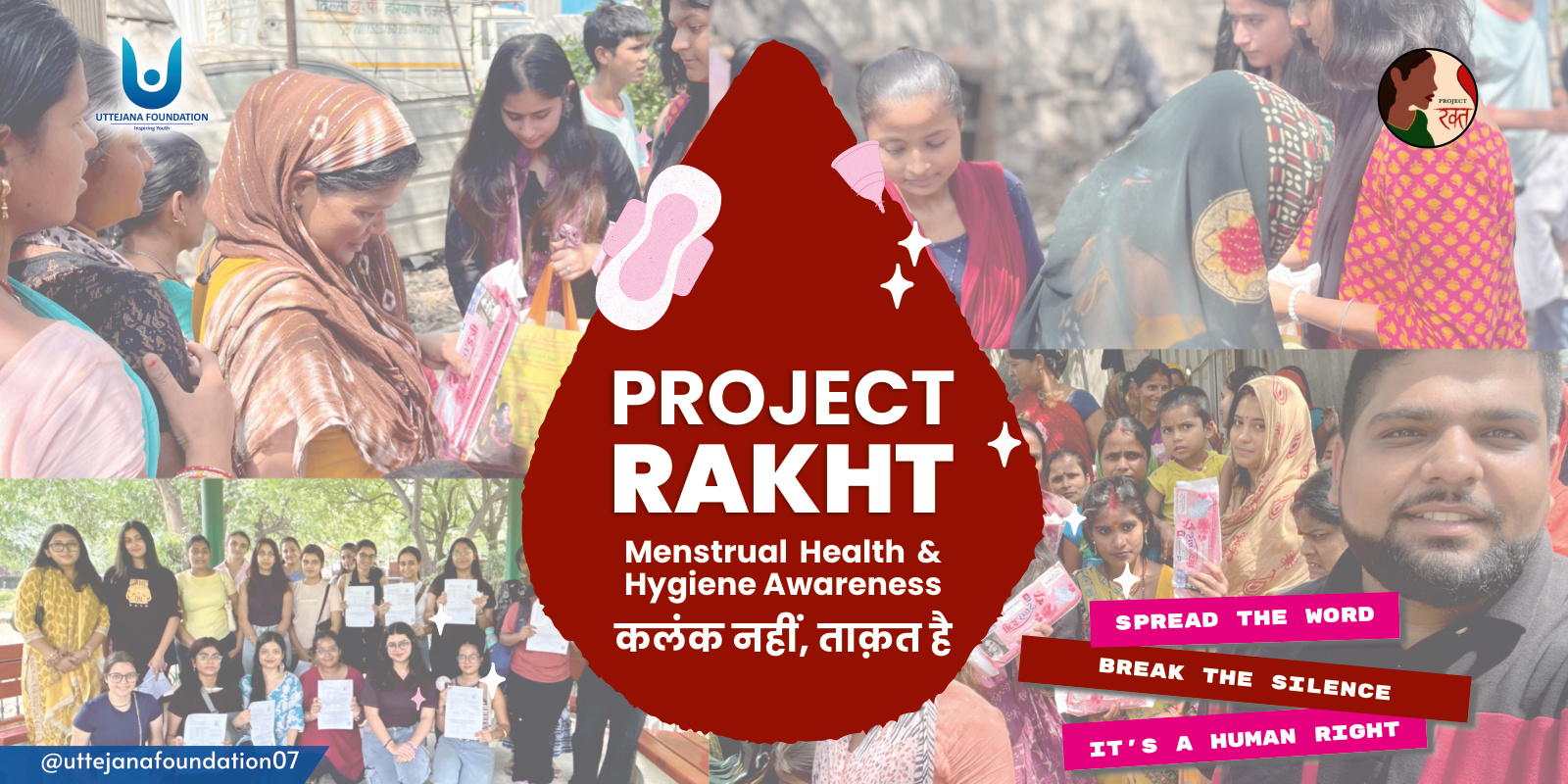
Project Rakht moves forward with the vision of shattering taboos and myths around menstruation. We believe that menstrual hygiene is a fundamental right, not a luxury or a subject of shame.
It focuses on menstrual health, hygiene awareness, and dignity for all. By addressing the lack of access to sanitary products and accurate information, we aim to empower women and girls in marginalized communities.
Menstrual health and hygiene (MHH) is a fundamental aspect of well-being, human rights, and public health. It's about more than just managing a period — it's about dignity, safety, and the ability to participate fully in life. To understand it better, there are three components associated with it.
girls quits school every year due to lack of access to good quality period products.
of girls in India still experience their first period in a state of fear, thinking they are "injured" or "dying" due to a lack of prior conversation.
increase in incidences of urinary tract infections because of poor menstrual hygiene.
girls cannot use toilets because they lack water, locks, or a private way to dispose of pads — despite 95% of schools having them.
of mothers consider periods "dirty," perpetuating a culture of shame and ignorance passed down through generations.
Breaking the Silence — Normalize discussions about menstruation and eliminate the stigma surrounding it.
Spreading Awareness — to girls and communities about menstrual health and hygiene in an engaging manner.
Accessibility — to safe and hygienic menstrual products, particularly in underserved areas like urban slums.
Empowering Her — in such a way that every girl understands her body and feels confident in it.
Collaborative Efforts — where schools, families, and communities work together to ensure no girl skips classes just because of her period.
Internal Literacy: Training interns and speakers on body literacy, menstrual health, and biological aspects including hormonal changes, irregular periods, and pain.
Hormonal Awareness: Educating the team on adolescent reproductive health and lifestyle disorders such as PCOS and diabetes.
Educational Materials: Designing IEC (Information, Education, and Communication) materials, handouts, and interactive tools like period trackers, myth-busting info cards, and awareness posters.
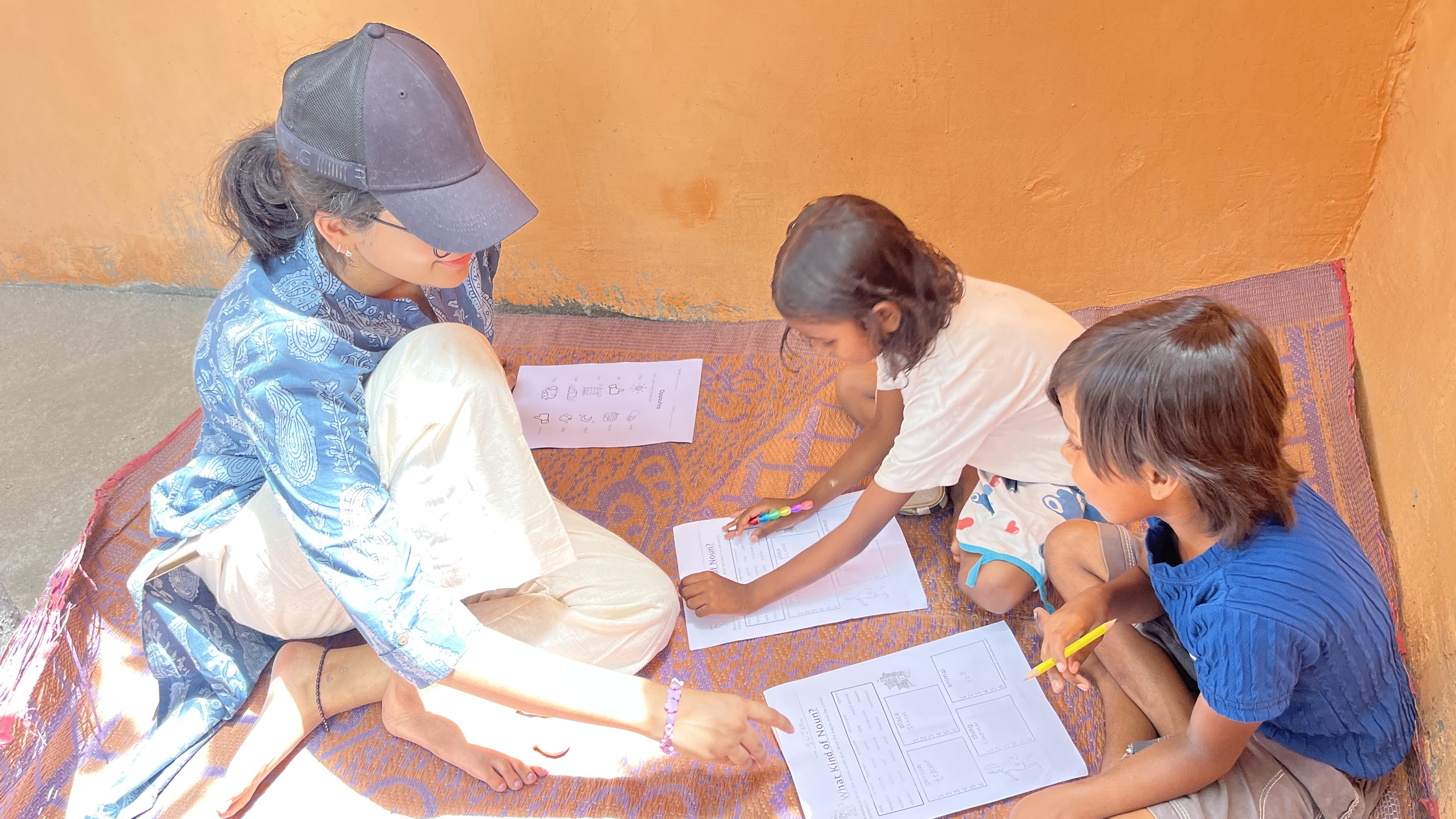
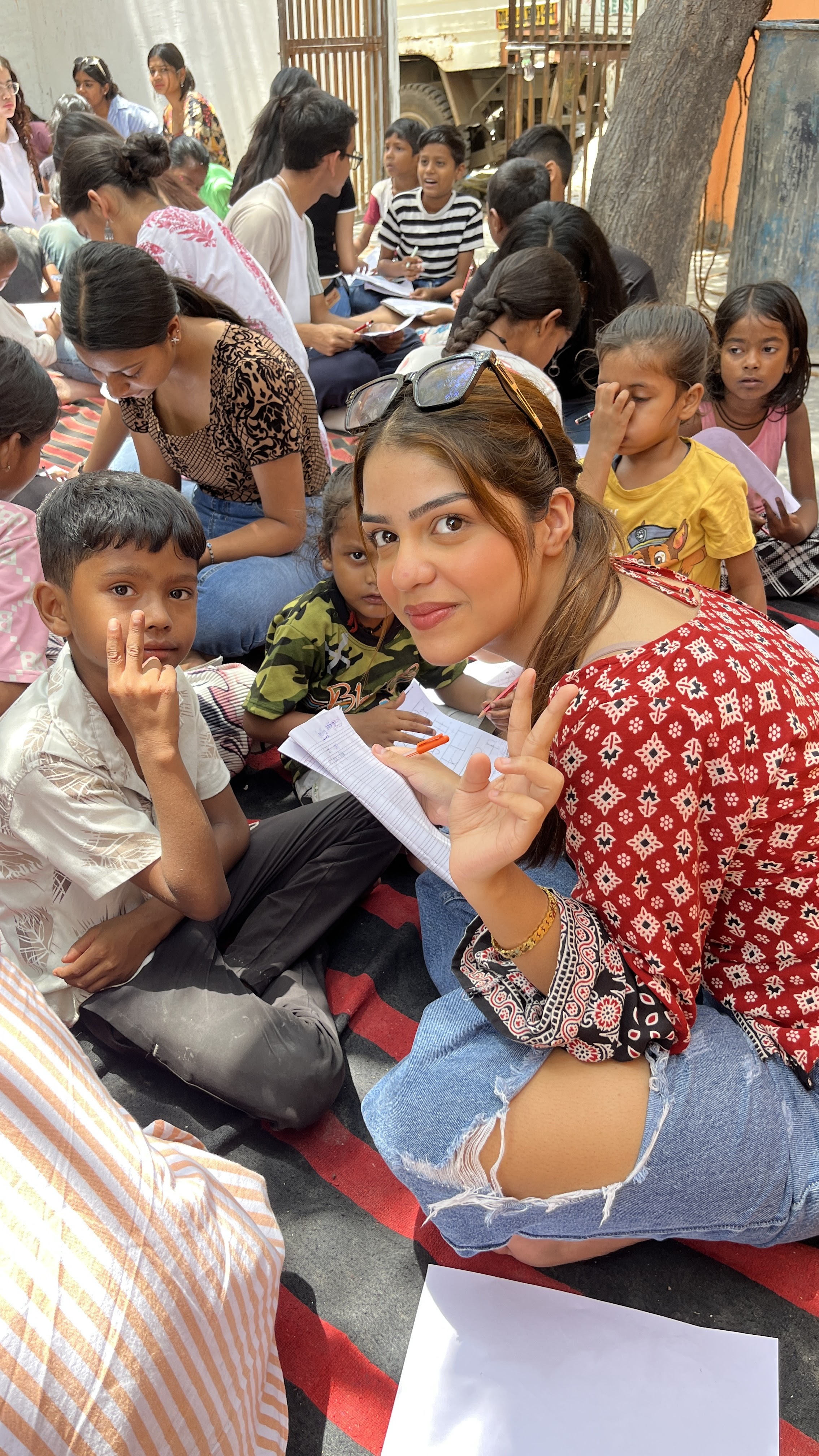
Conducting school and community-based workshops ("baccho ke sessions") to reach adolescent girls directly, while prioritizing education for boys too — ensuring the internal team and immediate community act as informed allies.
Eliminating the economic barrier through pad distribution — distributing hygiene kits and tailored IEC materials in Kirti Nagar, New Delhi — and field research using KAP (Knowledge, Attitudes, and Practices) surveys to understand the specific needs of girls in urban slums and partner schools.
Professional Medical Integration: Collaborating with doctors and medical organizations for specialized expertise on PCOS and adolescent reproductive health.
Institutional Partnerships: Reaching out to NGOs and organizations for session collaborations and speaker invites for broader community reach.
Cross-Sector Collaboration & Systemic Waste Solutions: Partnering with artists and creative professionals on educational campaigns, and scaling studies on menstrual waste management to advocate for sustainable disposal practices.
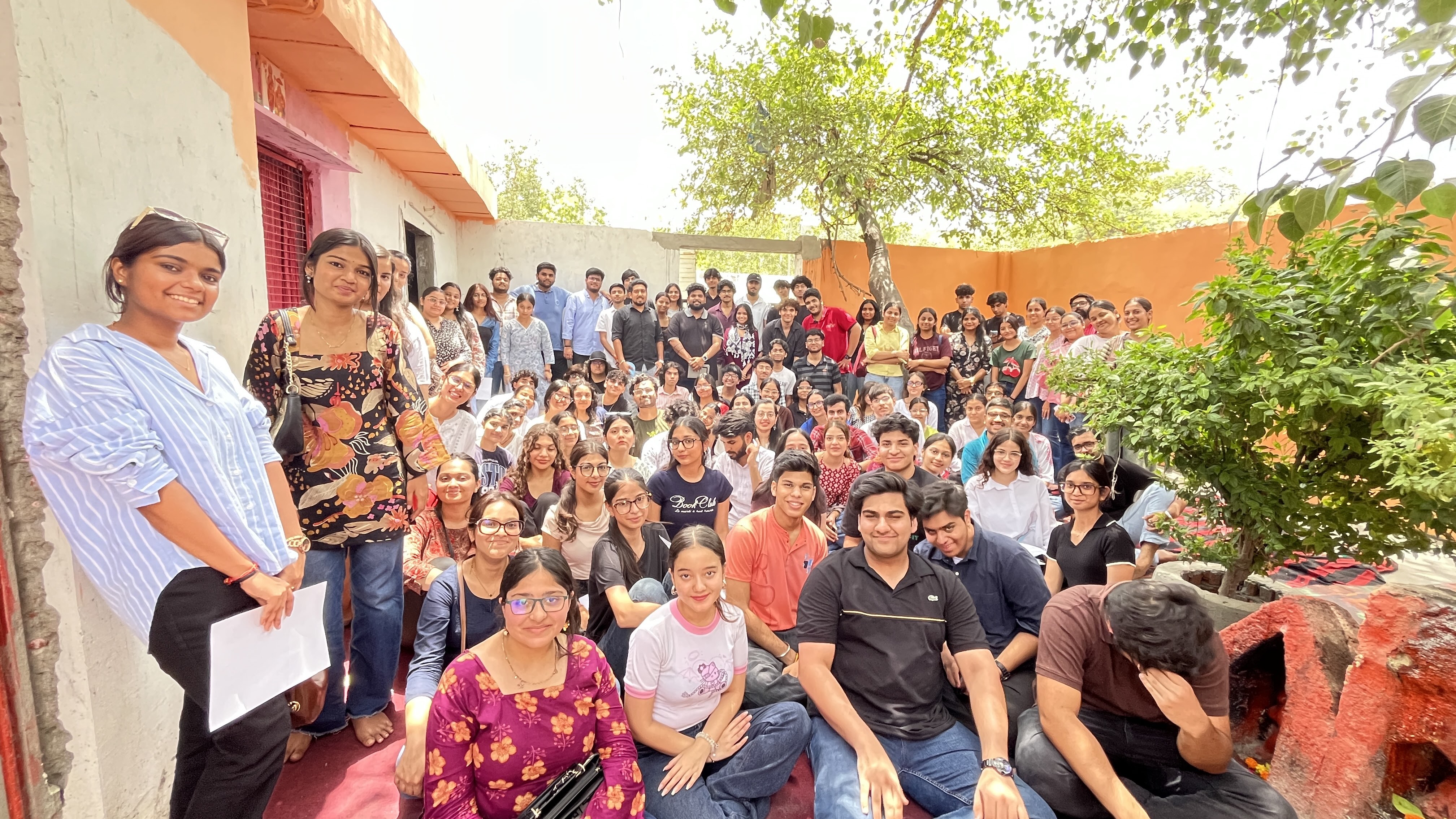
Women Reached
Awareness Camps
Kits Distributed
Education: We organize community workshops to break the stigma, answer questions, and spread scientifically accurate information about menstrual health.
Hygiene Kits: We distribute sanitary pads, menstrual cups, and hygiene kits to those who cannot afford them, ensuring safety and comfort.
Empowerment: Providing safe spaces for open discussions, encouraging women to speak up about their bodies and health without fear of judgment.
Your contribution helps us provide sanitary kits and organize awareness workshops to ensure dignity for all.