
The word "community" is often used in everyday conversations, sometimes quite casually, without much thought being given to what it truly means or the impact it carries. A simple search can provide a dictionary definition. According to Merriam-Webster, a community is defined as a group of people with a common characteristic or interest living together within a larger society.
Interestingly, the word "society" is often used interchangeably with "community," even though the two are not exactly the same. A society, by contrast, is described as a community or group of people having common traditions, institutions, and interests. At first glance, the definitions appear remarkably similar.
While society may be understood as the broader social structure within which people coexist, a community is far more personal and dynamic. It cannot simply be confined to the words of a textbook definition. Rather than focusing solely on what defines a community, it is perhaps more meaningful to explore what actually makes a community.
It Goes Beyond Physical Proximity
A meaningful community should be broad enough to include every type of community that people identify with, such as a neighbourhood, an institution, a faith-based group, or even a digital one. What binds people together is shared experience, values, and purpose.
2It Is Morally Neutral
Communities often create positive emotions such as belonging, collaboration, empathy, and collective growth. At the same time, communities are not inherently good or bad; every community possesses the ability to influence people positively or negatively. A community, in itself, is morally neutral; it is the values of the people within it that determine its impact.
3It Shapes Identity and Belonging
A community explains the powerful sense of identity and belonging that comes with being part of something larger than oneself. It accounts for the pride people feel when their community is appreciated, as well as the instinct to defend it when it is criticised. Communities shape how individuals see themselves.
A community is not merely about existing together; it is about growing together.
It Becomes a Moral Compass
Communities often become our moral compass, shaping our understanding of right and wrong, responsibility and compassion, influencing how people perceive being a good neighbour, supporting one another, and respecting diversity.
5It Coexists With Other Identities
Individuals are rarely defined by a single identity. Every person belongs to multiple communities throughout life: a family, a university, a workplace, a cultural group, a volunteer organisation, or a professional network. These different communities coexist, shaping perspectives, values, and personal growth in unique ways.
Keeping these ideas in mind, a community can perhaps be understood as something much deeper than a collection of people. It is a shared sense of identity that influences perspectives, nurtures belonging, and strengthens human connections. It brings together individuals who share common values, experiences, aspirations, or beliefs that become deeply woven into who they are.
At its core, a community is built on trust, inclusion, collaboration, empathy, and the belief that collective efforts can create lasting change. Whether in a neighbourhood, a classroom, a workplace, or a grassroots movement, strong communities empower individuals, encourage diversity, and create opportunities that extend far beyond personal success.
Perhaps that is why communities continue to matter. They remind people that while individual achievements are important, lasting social impact is almost always created when people come together with a shared purpose, a shared responsibility, and a shared vision for a better future.
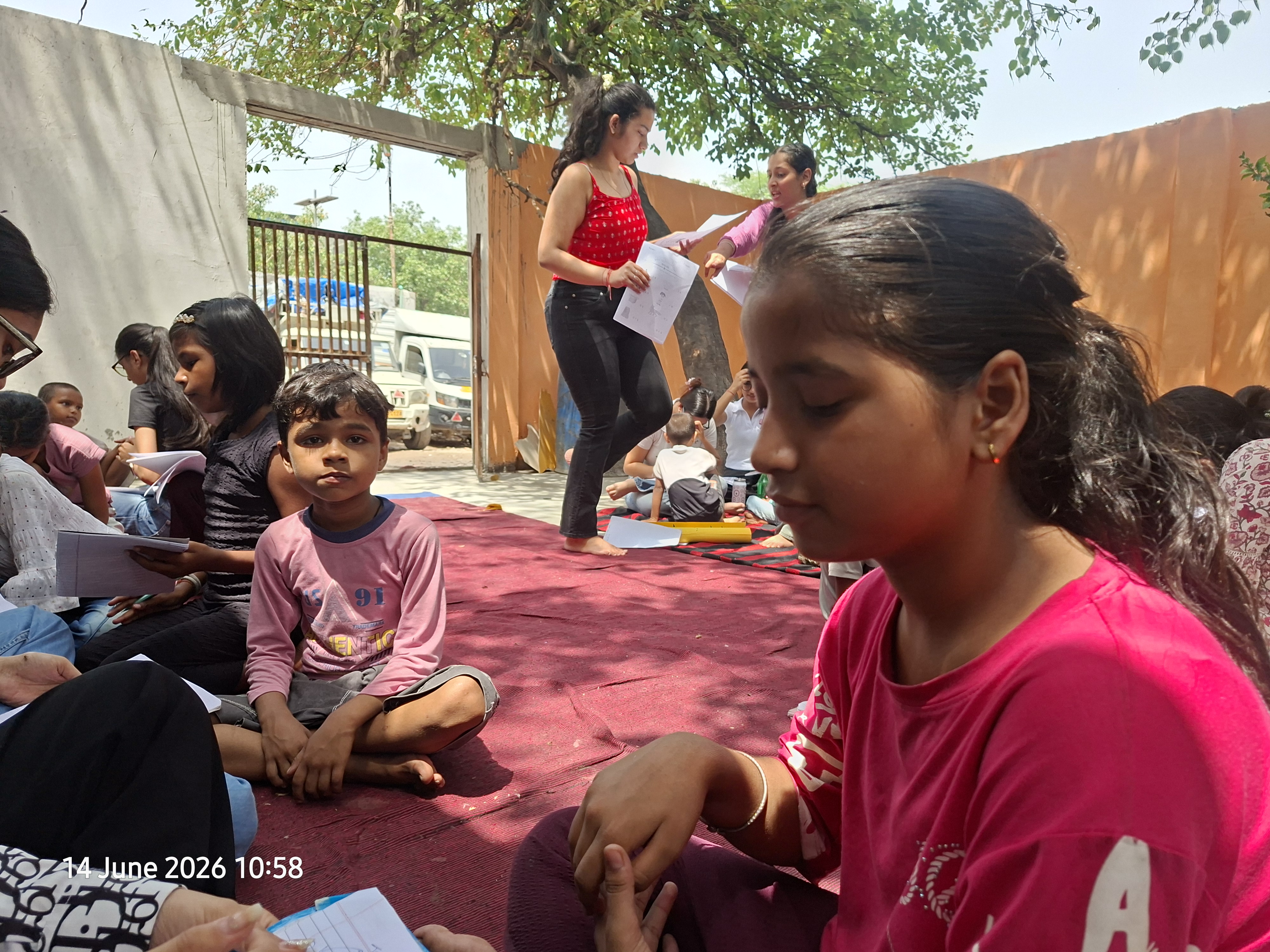
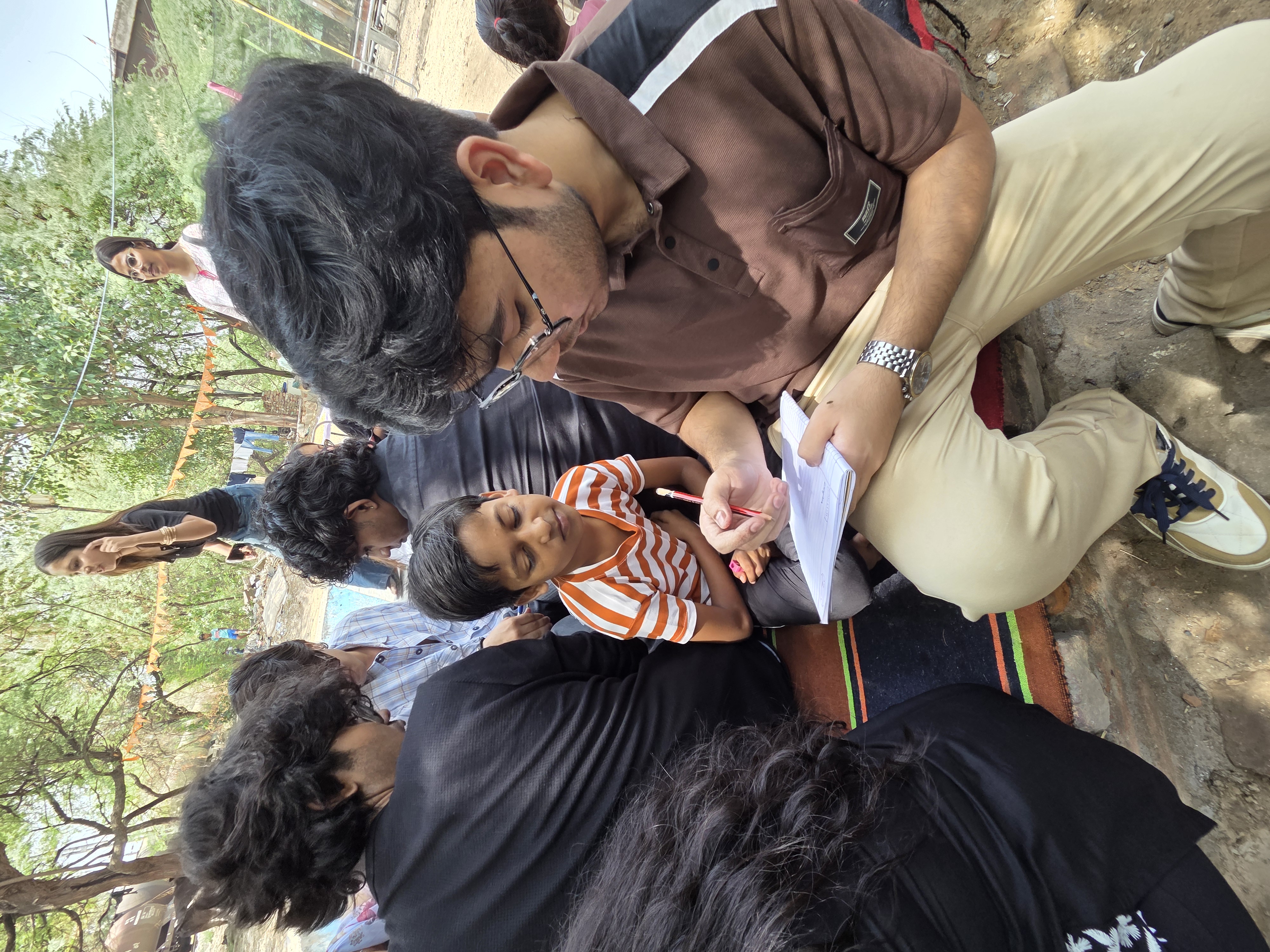
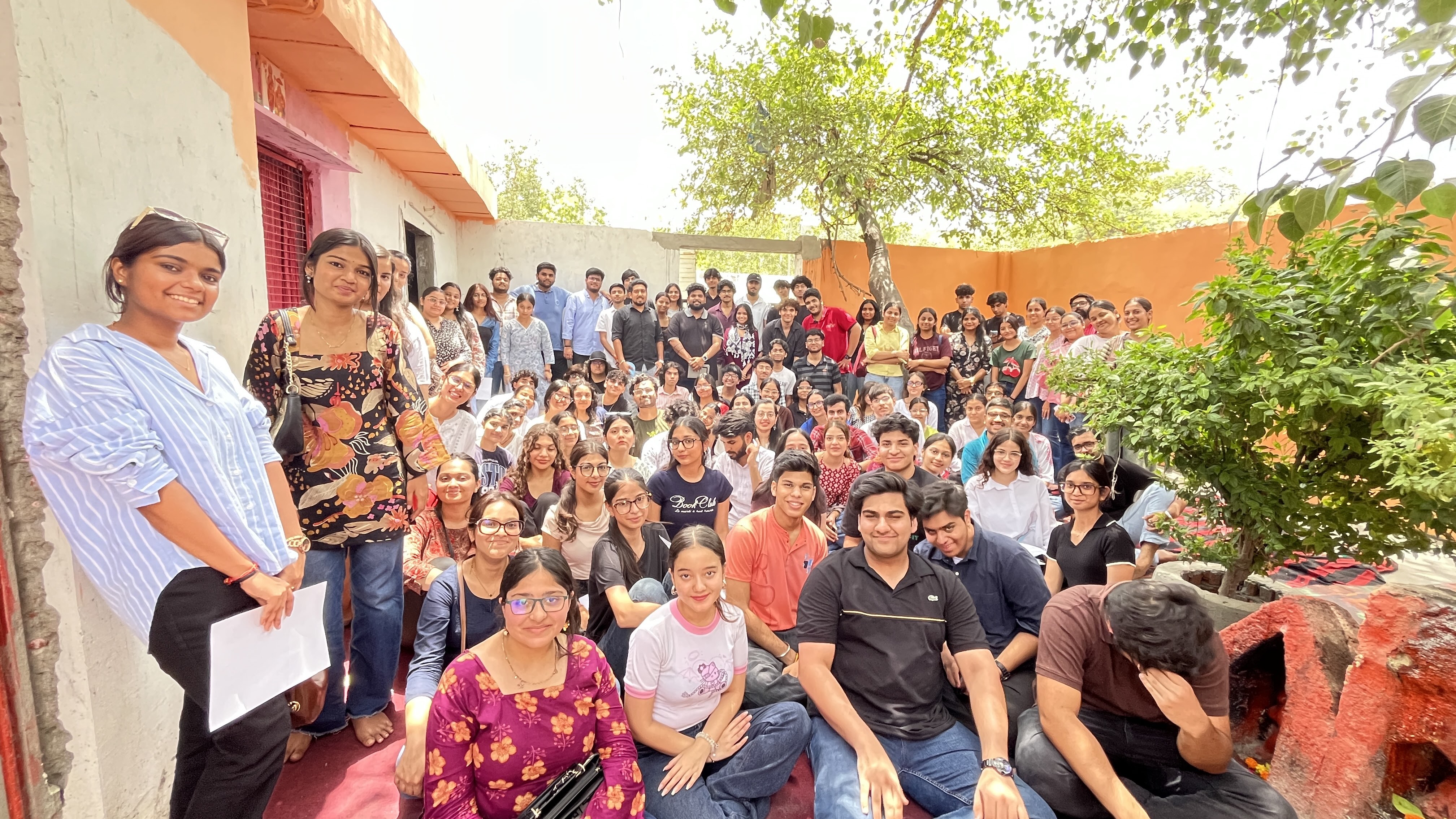
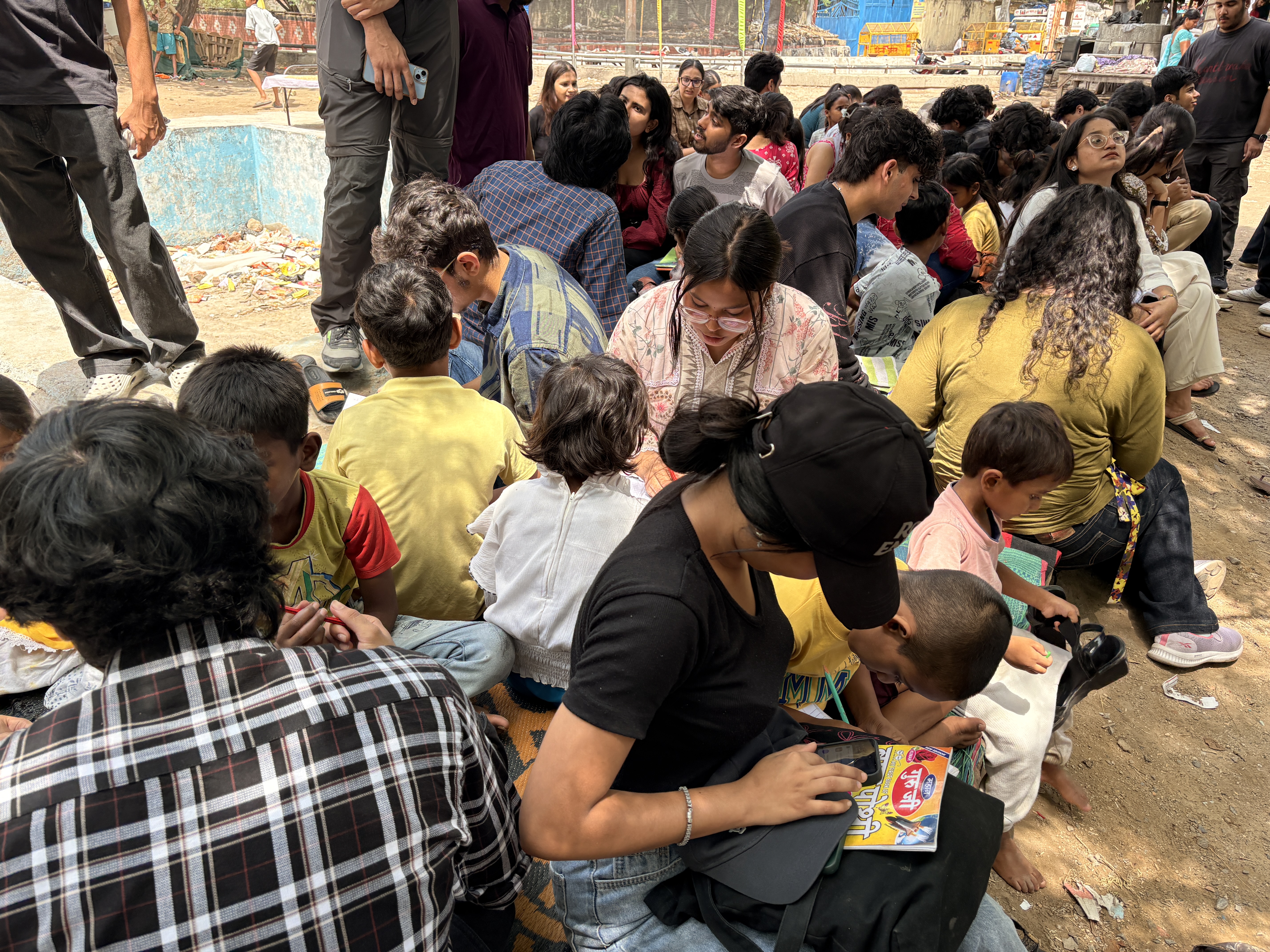
What we have built at Uttejana is proof that community is not a place, it is a shared decision to show up for one another. Thankful for every volunteer and every family that makes this possible.
Comments