
Being a part of a non-profit organisation can feel incredibly rewarding, but running one is a whole different ball game. As the name suggests, a non-profit organisation does not exist to make money for personal gain. In fact, there is no profit-making involved. All monetary transactions undertaken by the organisation, including fundraising, are solely carried out for three primary reasons.
First, to build the organisation from the ground up. Second, to ensure consistent growth, promote sustainability, and nurture the community associated with the organisation. And third, to provide access to resources that help accomplish the goals the organisation is striving towards and create meaningful social impact.
So, it is safe to assume that when someone decides to run a non-profit organisation, money is the last thing on their mind. This desire stems from a deep sense of altruism and the realisation that the venture they are building is bigger than themselves and serves a much greater purpose.
One of the most important things required to run a non-profit organisation, apart from the legal registration and compliance, is the genuine desire to make a difference. Since you are not going to earn personal financial rewards from this venture, you need a compelling reason to keep moving towards your mission. Let's be honest, money is, in most cases, one of the biggest sources of motivation for people to keep working. When you remove that motivation from the equation, you need a cause bigger than yourself, one that inspires you to put in your best efforts without expecting anything in return.
Upon joining Uttejana Foundation, I realised just how challenging, and equally commendable, to run a non-profit organisation. Mr. Anurag Sehgal, the Founder & President of Uttejana Foundation, is a visionary in his own right. A small example of that vision is reflected in the name of the organisation itself.
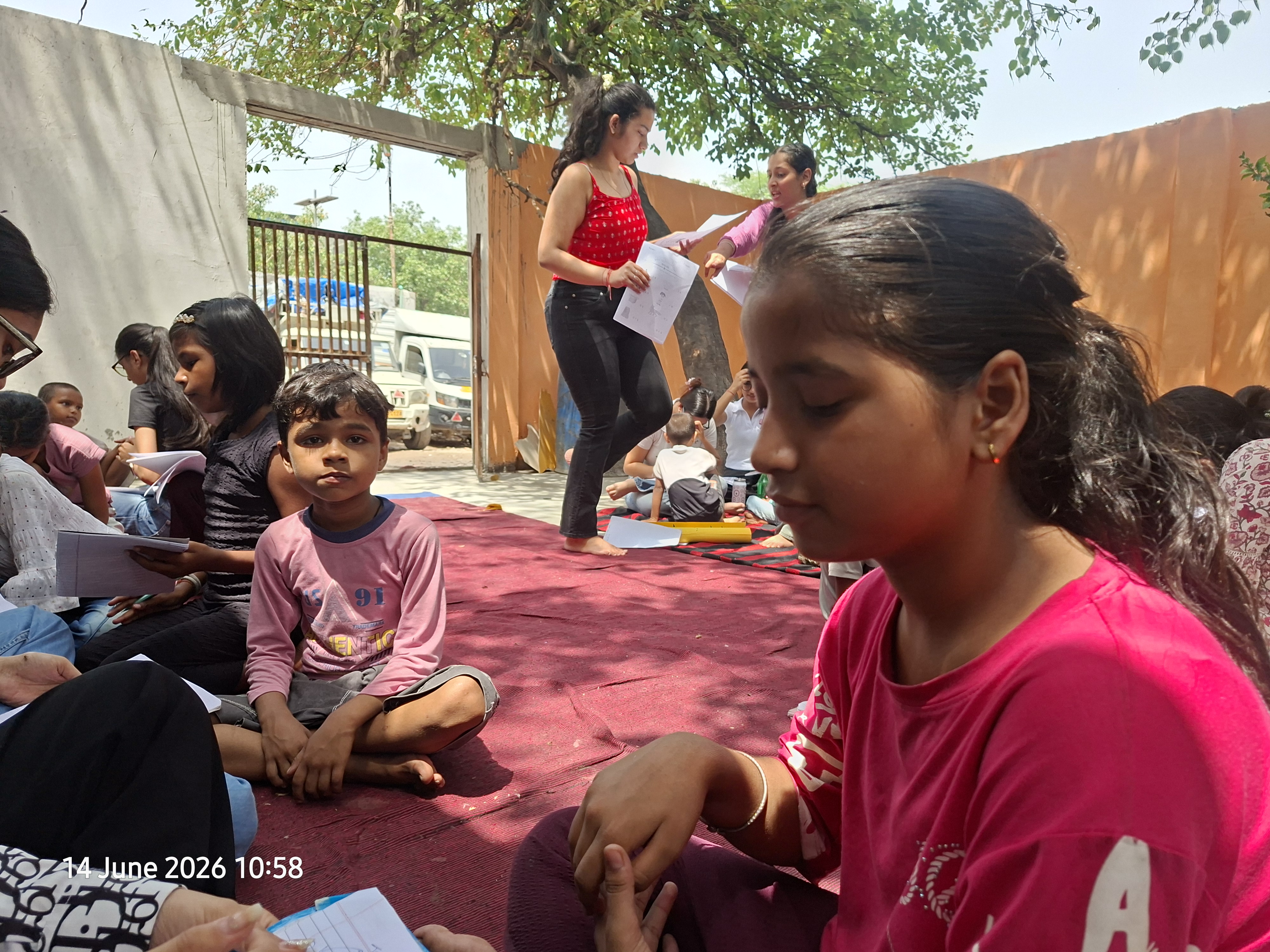
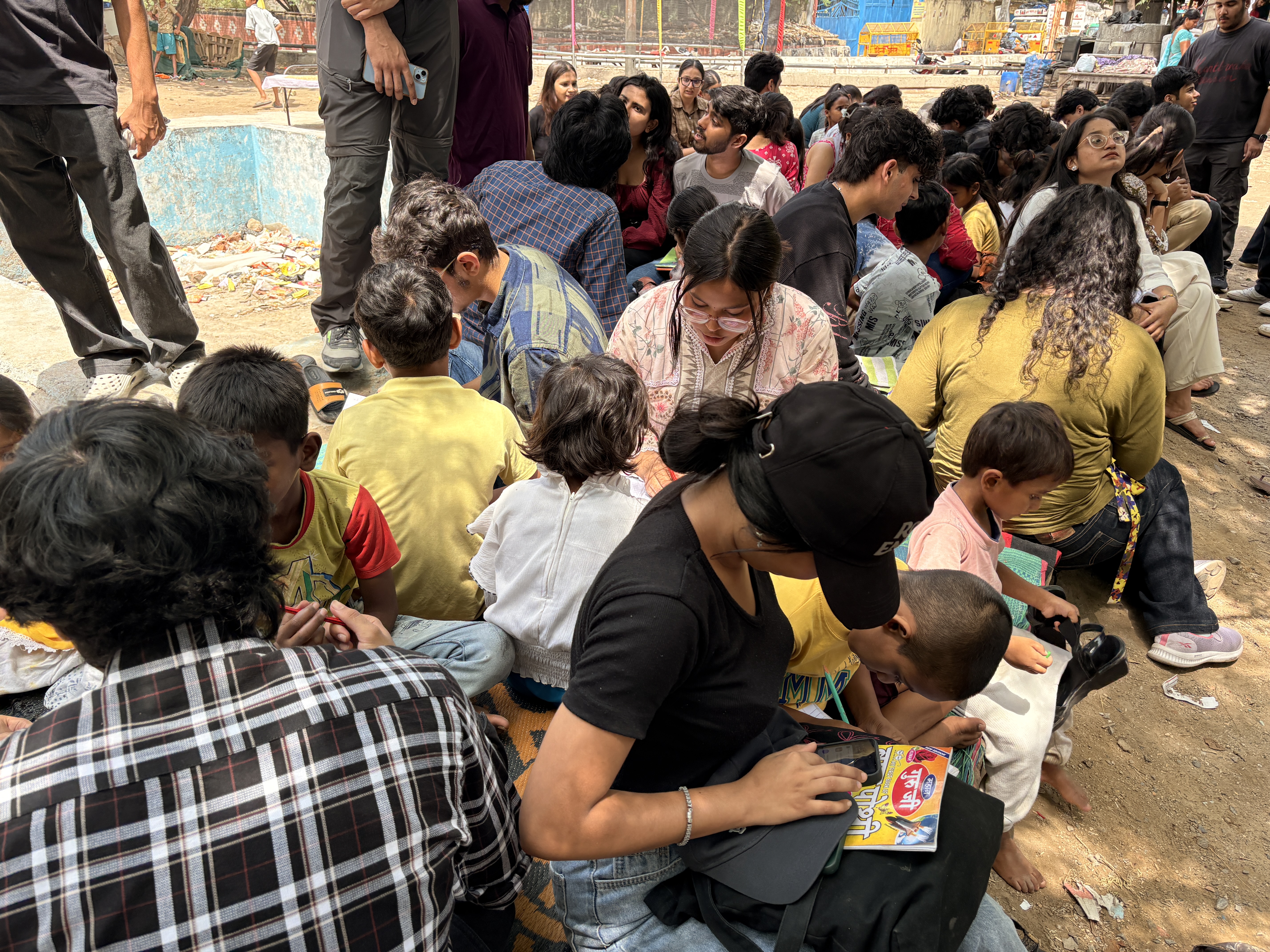
A Name Built on Enthusiasm
The word "Uttejana" means excitement or enthusiasm, which perfectly represents Mr. Sehgal's passion and vision for creating lasting community impact. He firmly believes that any work carried out with enthusiasm and purpose always produces the best results.
Admittedly, there are times when it becomes difficult to stay enthusiastic while balancing multiple responsibilities. However, Mr. Sehgal has never failed to inspire us or ignite the spark to go above and beyond in the pursuit of creating positive change. He leads not merely through words but by setting an example himself. A Chartered Accountant by profession but a changemaker at heart, he always makes time to give back to society and contribute towards grassroots development and youth empowerment.
Here is what I have learned from him that, in my opinion, defines a great leader and a driving force for positive and sustainable change.
1Effective Communicators
Effective leaders possess strong communication skills, and this is equally true for NGO leaders. They understand that they interact with people from different backgrounds, including beneficiaries, donors, educational institutions, volunteers, government agencies, corporate partners, and other stakeholders. They adapt their communication according to the audience, build meaningful relationships, and inspire people to contribute towards the organisation's mission.
2They Keep Their Eyes on the Goal
They possess the courage to ask difficult questions and continuously evaluate whether the organisation is moving in the right direction. They prioritise the long-term vision over short-term success and remain committed to achieving sustainable outcomes.
"Are we there yet?" is the question that constantly drives great leaders to improve.
Inspire and Empower Others
Great NGO leaders never stop motivating people through their vision, values, compassion, and work ethic. Whether it is their own team, donors, beneficiaries, or stakeholders, they become a source of inspiration, combining professionalism with empathy.
4Take Initiative
Leaders are confident, proactive, and always willing to take initiative. Whether at the organisational level or on the field, they anticipate challenges before they become problems and take timely action. This proactive mindset also reflects in their own self-development.
5Believe in Transformation
Perhaps the strongest quality of all is their unwavering belief in transformation. They have complete faith in their efforts, in the mission of the organisation, and in the process required to achieve meaningful impact. They genuinely care about people, remain compassionate yet resilient, and dedicate themselves wholeheartedly to the cause of community development and social transformation.
I believe these are just a few of the qualities that distinguish leaders in the non-profit sector. They are not driven by recognition or personal success alone but by the desire to leave behind stronger communities, empowered individuals, and a more compassionate society. Ultimately, their greatest achievement is not measured by numbers, but by the lives they touch, the opportunities they create, and the hope they inspire in others.
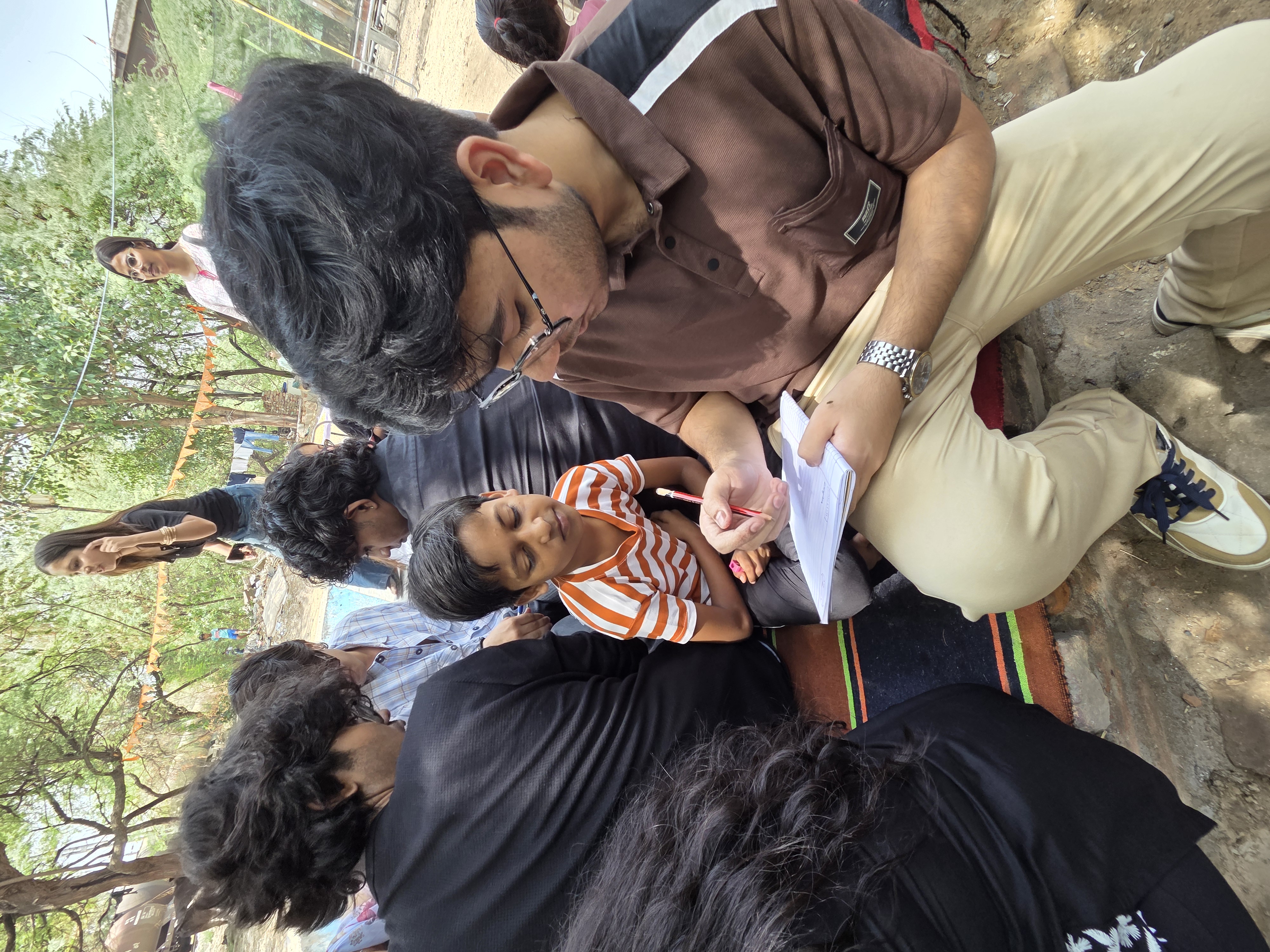
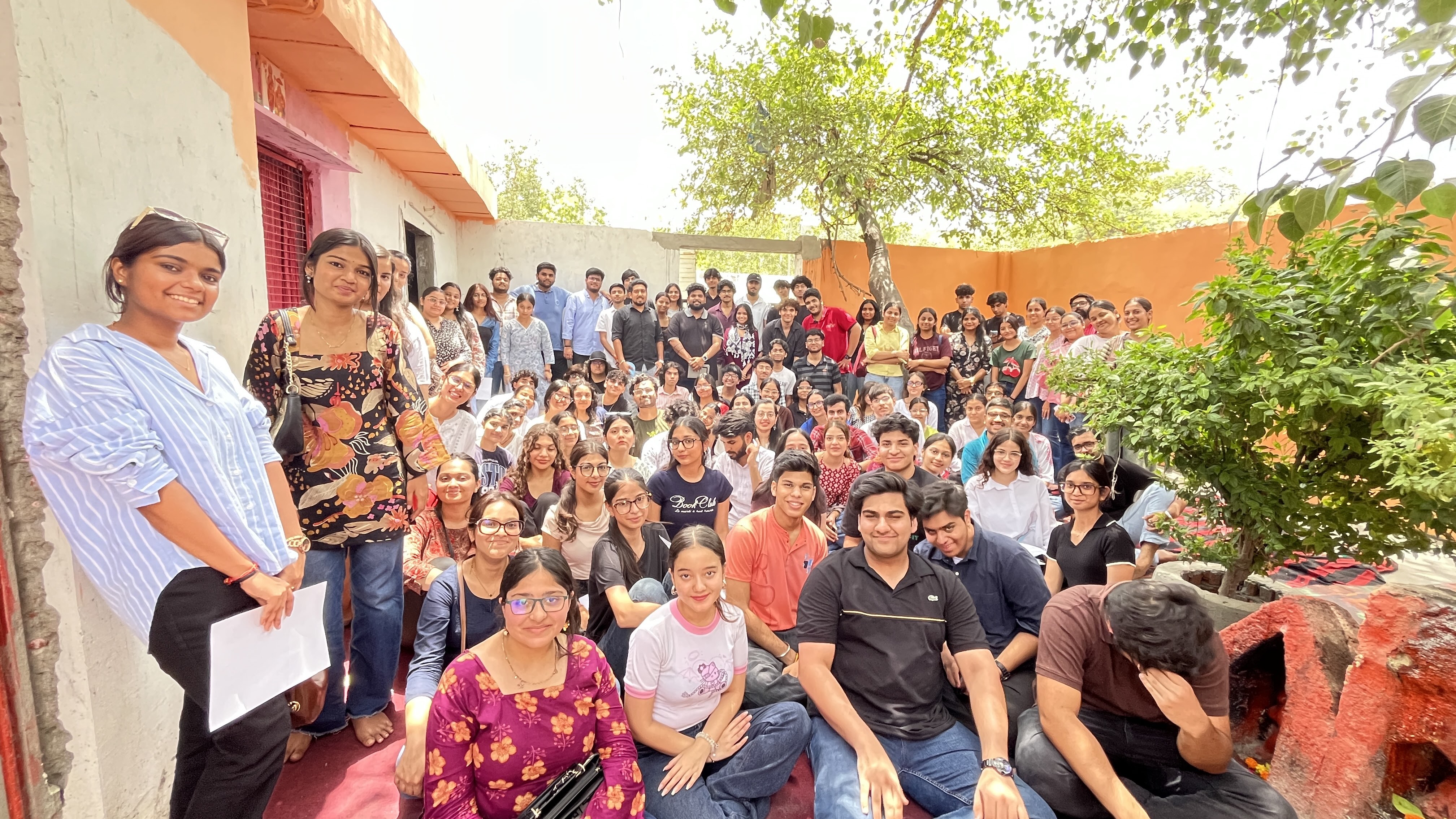
Leadership in this space is never about titles. It is about showing up for the community, again and again, even on the hardest days. Grateful to everyone who continues to believe in this mission with us.
Comments